
Reviewed · PHUKET ELEPHANT SANCTUARY VISITS
Phuket: Elephant Jungle Sanctuary Ethical Feeding Experience
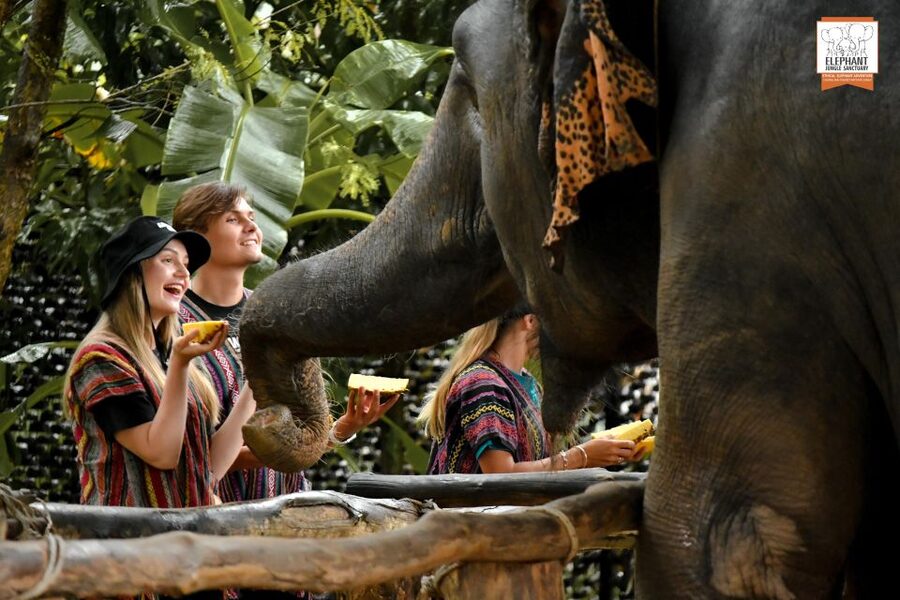
Phuket’s Elephant Jungle Sanctuary keeps the focus where it belongs: on feeding and observing rescued elephants, not on rides or tricks. You meet at Elephant Jungle Cafe, walk into the sanctuary area, and spend about an hour offering fruit or grass while a guide explains how to behave around these huge, sensitive animals.
I like two things right away. First, the no-riding, no-bathing policy gives the visit a clear ethical shape. Second, the short format works well if you want a meaningful elephant encounter without giving up a whole day in Phuket. The trade-off is simple: this is an introduction, not a long sanctuary visit, and one recent booking found the information brief.
In This Review
- Key points at a glance
- What the Phuket elephant visit is really like
- Why the no-riding policy matters
- Meeting the elephants without turning them into a show
- The one-hour schedule and what you do at each stage
- Is $28 good value for Phuket?
- Getting ready for heat, dirt, and close contact
- Who will enjoy this sanctuary visit most?
- Practical booking advice for a smoother visit
- Should you book the Feed Me program?
- FAQ
- How long does the Elephant Jungle Sanctuary Phuket feeding experience last?
- What is included in the price?
- Is transportation included?
- Can I ride or bathe the elephants?
- What food will I give the elephants?
- What languages are available, and is the activity wheelchair accessible?
Key points at a glance
- Feed elephants with food supplied by the elephant vet: The food may be fruit or grass, depending on the time and the elephants’ needs.
- No riding, bathing, or shows: The visit centers on feeding, watching, and respectful contact.
- Meet at Elephant Jungle Cafe: Transportation is not included, so you need to arrange your own way there.
- A one-hour activity that fits around other plans: You feed the elephants, walk around the feeding area, and finish with a soft drink.
- Guides explain individual behavior and care: Staff point out which elephants are comfortable with contact and which should be left alone.
- Good value at $28 per person: The price includes entry, a guide, elephant food, and one soft drink, but not transport.
What the Phuket elephant visit is really like
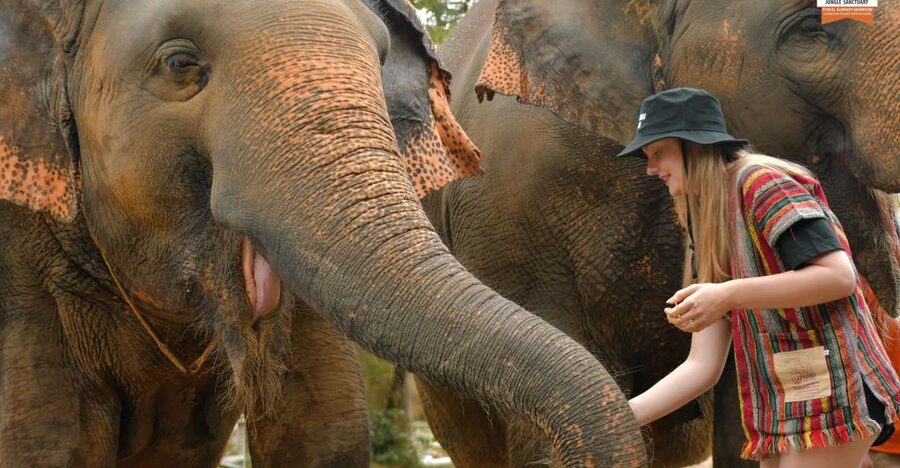
This is a compact, close-up encounter rather than a full-day nature program. The advertised duration is one hour, including feeding the elephants and walking around the feeding area. That makes it easy to fit into a Phuket itinerary, especially if you want to visit in the morning and still have most of the day ahead.
You begin at Elephant Jungle Cafe. From there, the staff welcome you into the sanctuary setting and explain the basic rules. The tone is practical: approach in the way you are shown, listen to the handlers, and let the elephants’ behavior guide the level of contact.
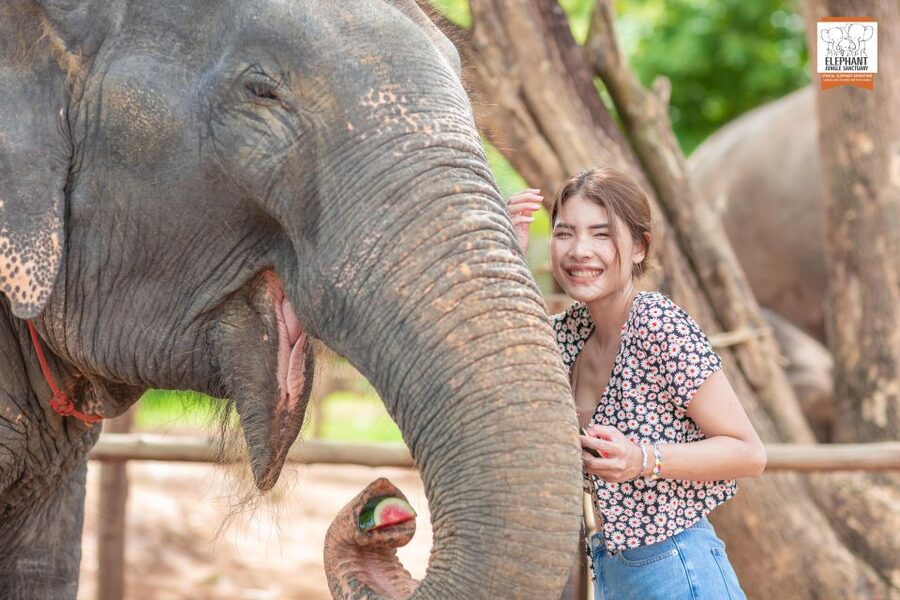
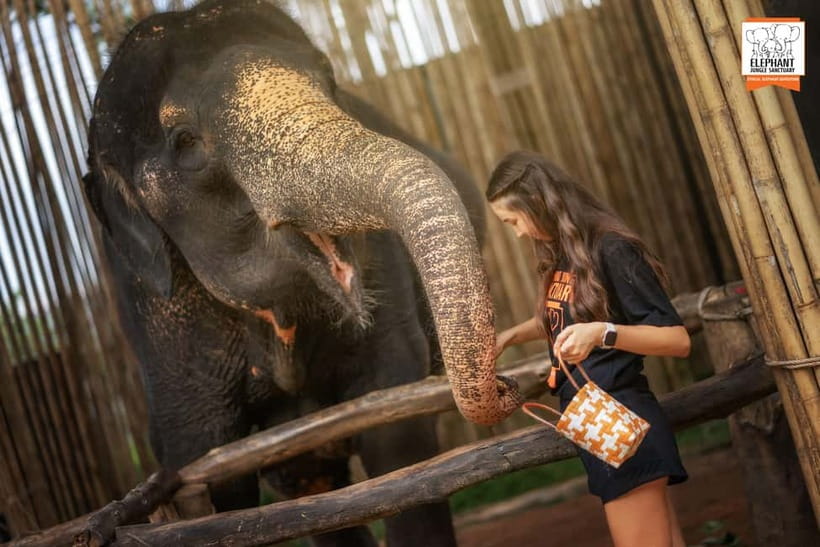
The main event is feeding. Elephant food is provided by the elephant vet, and the serving may change with the hour. One 11 a.m. visit involved feeding large banana leaves, while other sessions used watermelon, fruit, or grass. That small detail matters because it reminds you that the elephants are not simply performing for a queue of people. Their food and routine help shape the activity.
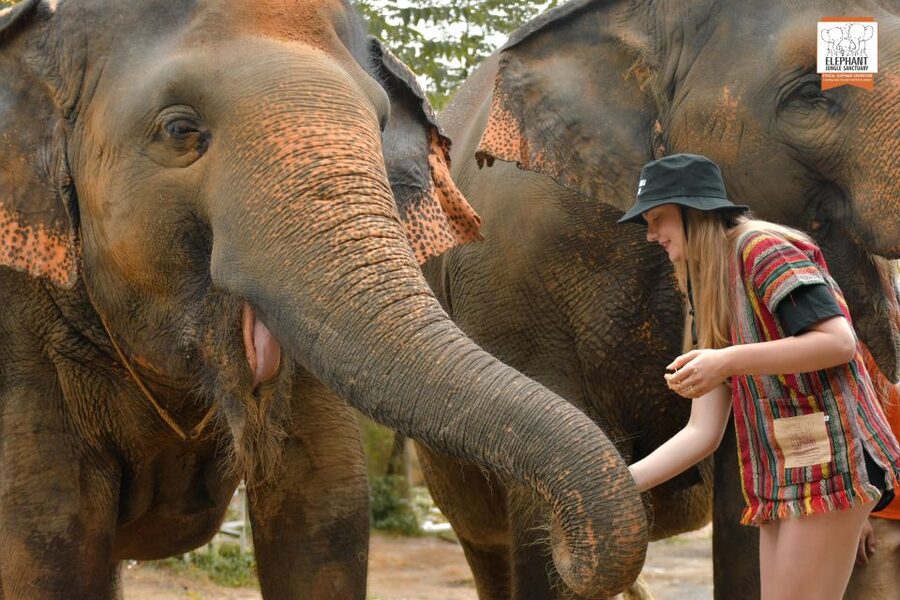
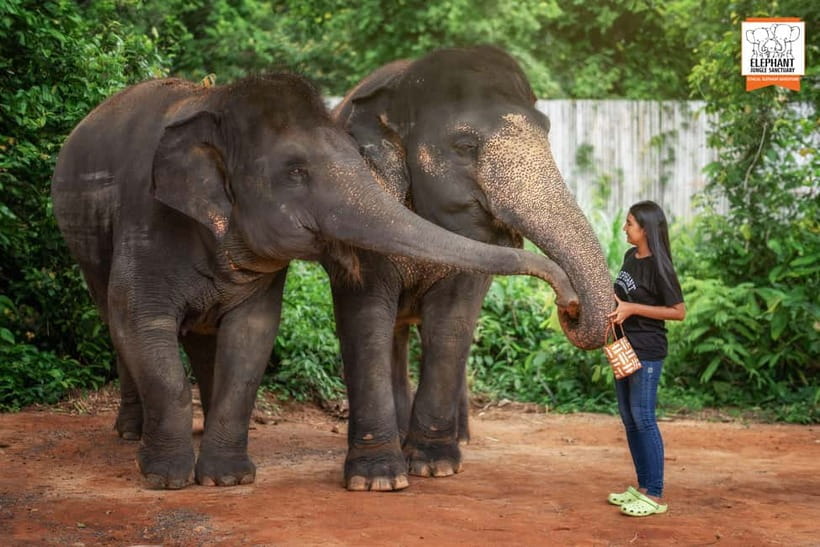
You can expect several opportunities to offer food to the elephants. The animals come close enough for an unforgettable look at their trunks, ears, eyes, and rough skin. You may also be allowed to touch some of them, but that is not a promise for every elephant. Staff identify which animals are willing to interact and which should have more space.
The experience is strongest when you slow down and watch. An elephant reaching for food with its trunk is entertaining, but the real value lies in seeing the animal choose how to respond. You are not directing a show. You are taking part in a controlled feeding session where the sanctuary sets the limits.
More elephant sanctuary visits:
- Phuket: Elephant Sanctuary Guided Tour with Hotel Transfers
★ 4.8 · 2,020 reviews - A Morning with the Elephants at Phuket Elephant Sanctuary
★ 5.0 · 1,693 reviews - Phuket: Elephant Experience with Lunch or Dinner and Pickup
★ 4.7 · 1,387 reviews
Why the no-riding policy matters
Thailand has a long tourism industry built around elephant rides, bathing sessions, performances, and close contact. Those activities can look harmless in a photograph, but they raise serious welfare concerns, especially when elephants are trained or pressured to behave in ways they would not choose naturally.
This Phuket program takes a simpler route. The activity does not include riding, bathing, or elephant shows. You feed the elephants, watch them, and follow instructions about contact. For me, that is the most important reason to consider it over a more theatrical elephant attraction.
The sanctuary describes the elephants as rescued, and the staff explain their previous lives. Accounts shared during visits refer to elephants rescued from circus work, captivity, logging, and riding camps. One group learned that some animals had been trained to perform behaviors such as dancing, and visitors were told not to encourage those actions.
That guidance is valuable. Ethical elephant tourism is not only about what you are allowed to do. It is also about what the staff ask you not to do. If an elephant turns away, seems uncomfortable, or needs more distance, you should accept that without trying to force a better photograph.
The setting also appears to give the elephants room to move. One visit described around 60 acres of property, with 29 female elephants rescued from difficult conditions. Treat those figures as information presented during the experience, rather than as a guarantee about every session, but they help explain the sanctuary’s approach: the animals are not kept solely in a small display area for hand-feeding.
Meeting the elephants without turning them into a show
The guide-led introduction is an important part of the hour. You learn about elephant behavior, temperament, ages, and individual stories before or during the feeding. Staff also explain safety, which is essential when you are standing close to an animal that can weigh several thousand pounds.
The guide quality can vary by session, as it does with any scheduled activity, but the available details point to English and Thai-speaking staff. Guides named Hannah, Michael, Eddie, and an English-speaking guide were praised for answering questions, explaining the animals’ lives, and keeping the mood light.
You should expect a friendly, informal briefing rather than a university lecture. One booking found the introduction very informative, while another felt there was only a little information. If learning about elephant welfare is your main reason for coming, ask questions while you have the guide’s attention.
Good questions include where an elephant came from, how old it is, what it is eating, and how staff decide if it wants contact. The guides appear willing to answer, and the best sessions make the elephants feel like individuals rather than a single attraction.
The staff also help with photos. You can bring your own camera, and guides may take pictures for you during the feeding. This is useful because it lets you concentrate on the animal instead of trying to hold food, position yourself, and manage a phone at the same time.
Still, keep your camera ready but your expectations sensible. This is an outdoor feeding area, not a staged photo studio. The elephant may move, turn, reach, or wander away. Those unscripted moments are part of the point.
The one-hour schedule and what you do at each stage
The visit moves quickly, so it helps to know how the hour is used.
Arrival at Elephant Jungle Cafe: You meet at the stated meeting point and check in. Since transport is not included, allow time to reach the cafe on your own. The booking has a skip-the-ticket-line feature, but you still need to arrive at the correct place for your chosen starting time.
Safety and welfare briefing: The guide introduces the sanctuary’s approach and explains how to act around the elephants. You learn about their behavior and may hear parts of their rescue stories. This is when you find out that not every elephant has the same temperament or comfort level.
Feeding session: The vet-provided food is handed out. Depending on the time, this can include watermelon, fruit, grass, or large banana leaves. You feed the elephants by hand and may be able to touch some of them if staff say it is suitable.
Walking around the feeding area: The activity includes movement around the area rather than staying in one fixed spot. You observe the elephants as they eat and interact with their surroundings. A few accounts also noted the pleasure of watching elephants bathe and play, although those moments should be considered a possible bonus, not a scheduled feature.
Photos and questions: Guides help take photographs and answer questions. This is a good time to ask about an elephant’s age, temperament, or previous life. Keep following the staff’s instructions, especially if an elephant begins to move away.
Soft drink and departure: A complimentary soft drink is included at the end. It is a small touch, but welcome in Phuket’s heat, and gives you a chance to cool down before leaving.
The pace is one of the program’s strengths. You get the main encounter without spending half a day waiting around. The drawback is that the hour can feel short if you want extensive time watching the elephants or a longer educational talk.
More bamboo rafting and jungle days:
- Phuket: Paradise Trip ATV Jungle Adventure
★ 4.8 · 3,250 reviews - From Phuket: Elephant Jungle Sanctuary Feed and Shower Trip
★ 4.8 · 1,056 reviews - Phi Phi & Bamboo Islands Snorkeling Tour with Lunch by Speedboat
★ 5.0 · 797 reviews - Phuket: Paradise Jungle Zipline Adventure
★ 4.8 · 755 reviews
Is $28 good value for Phuket?
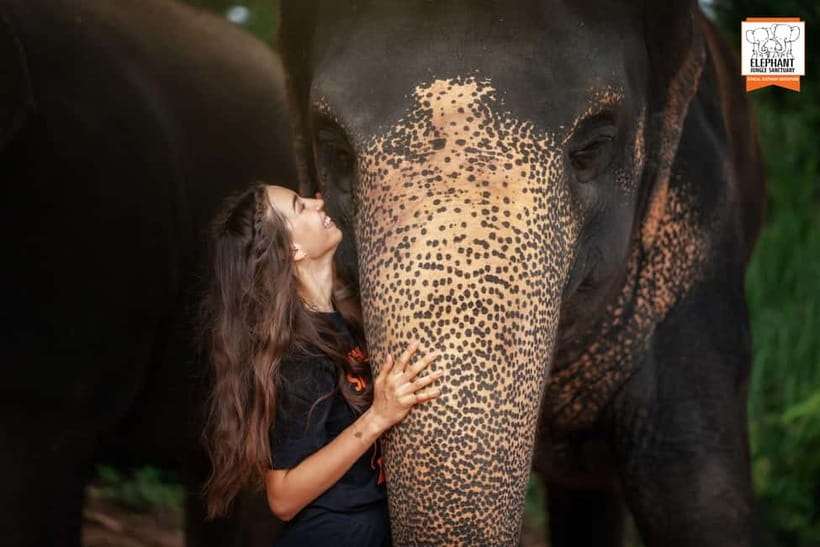
At $28 per person, the price is reasonable for a short, guided wildlife activity, particularly because it includes sanctuary entry, a guide, elephant food, and one soft drink. You are paying for a managed encounter that puts limits on contact and supplies the food through the elephant care team.
The price looks less attractive if you think of it as a full-day outing. It is not. The activity lasts about one hour, and there is no hotel pickup or drop-off. You need to add your own transport costs and travel time to the total.
That short duration can actually improve the value for some people. If you have a beach day, a restaurant booking, or another Phuket activity planned, this program leaves room in your schedule. One person specifically appreciated having enough time with the elephants while still keeping the rest of the day free.
The flexible booking terms also help. You can reserve and pay later, and cancellation is available up to 24 hours before the activity for a full refund. Starting times vary by availability, so check the schedule before building the rest of your day around it.
If the sanctuary offers several time slots, choose based on comfort as well as price. Morning sessions may have different food from late-morning sessions, and the exact feeding experience changes with the elephants’ needs. Do not book expecting one specific fruit or a guaranteed photo with a particular elephant.
Getting ready for heat, dirt, and close contact
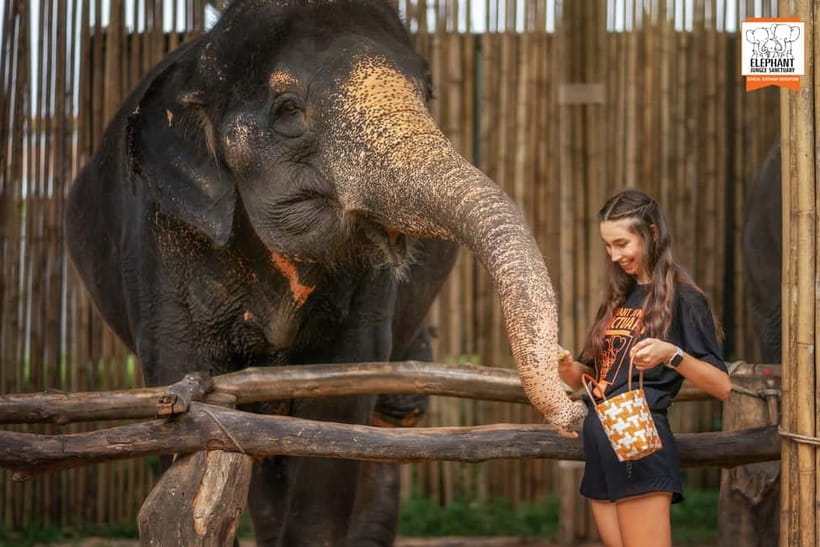
Bring a hat, sunscreen, insect repellent, and a camera. Phuket is warm, and you will be outside around food and animals, so practical clothing is more useful than anything delicate or formal.
You should also bring your passport, or an accepted copy. That requirement is easy to miss, so keep the document accessible rather than leaving it locked at your accommodation.
Wear shoes you are comfortable walking in. The activity includes moving around the feeding area, and the natural setting may be uneven or messy. The supplied information does not specify a dress code, so focus on sun protection and clothes that can handle contact with elephant food.
A phone with a secure grip is useful. You may want photographs while holding fruit or leaves, but do not let the camera distract you from the guide’s instructions. Ask staff to take photos when possible.
The activity is listed as wheelchair accessible. If accessibility is important to you, confirm the arrangements for your specific booking and arrival route, since transport is not included and the description does not provide detailed information about surfaces or vehicle access.
Who will enjoy this sanctuary visit most?
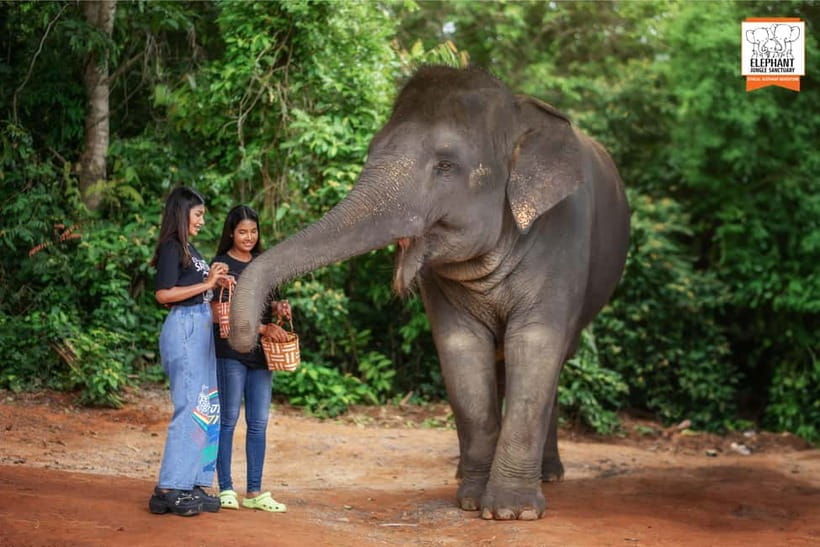
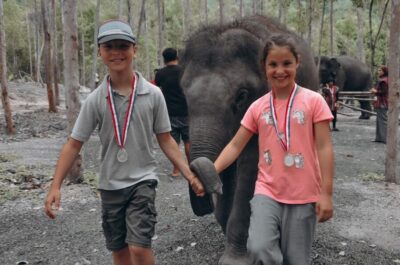
This is a strong choice for first-time elephant encounters. You get close enough to appreciate the animals without the pressure to ride, bathe, or watch a performance. Families may also like the clear one-hour structure, though children need to follow instructions around the elephants.
It suits photographers who want close-up pictures, provided they understand that the animals are not posed. It also works for people who want to support a sanctuary but do not want a long, physically demanding program.
The experience is especially useful for anyone comparing elephant attractions in Phuket. If you see a program promising rides, tricks, or constant touching, this feeding-only format offers a more responsible alternative. The sanctuary’s own rules about not encouraging distress-related behavior are a positive sign.
You may want something else if you are looking for a long educational visit, a jungle trek, or a full-day conservation program. The one-hour schedule gives you an introduction. It does not provide enough time for an extensive look at sanctuary operations.
The rating is 4.8 from 4,359 reviews, and the strongest praise centers on the elephants’ care, the staff’s kindness, the clear ethical rules, and the chance to feed more than one animal. The less common criticism is also useful: the talk may feel brief, depending on the guide and group.
Practical booking advice for a smoother visit
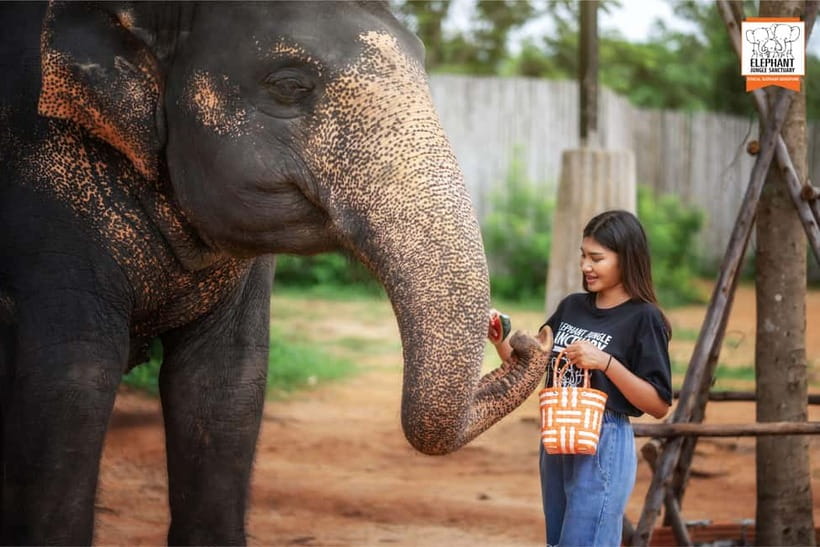
Book a starting time that gives you a little breathing room before your next plan. The session itself lasts one hour, but you still need to reach Elephant Jungle Cafe and complete arrival arrangements.
If you arrive late, speak to the staff rather than assuming you have lost the booking. One late arrival was moved to the next available time slot, and another early arrival was allowed to join an earlier session. These examples suggest some flexibility, but it should not be treated as guaranteed.
Ask at the start what the staff want you to do if an elephant walks away. That question gets you thinking in the right way: the animal’s choice comes first. Also ask which elephants are comfortable with touching, since this can change from one animal to another.
Do not arrive expecting a fixed menu of elephant food. Fruit or grass is provided by the elephant vet, and one visit used banana leaves. The variation is part of responsible care, not a shortcoming.
Finally, leave room in your phone for photographs and keep sunscreen handy. The complimentary soft drink is welcome, but it is not a substitute for water, shade, or sensible sun protection during your wider Phuket day.
Should you book the Feed Me program?
I would book this if you want a short, ethical elephant encounter with clear limits on what people can do. The $28 price is fair for entry, a guide, food, and a drink, especially if you value the absence of riding, bathing, and shows.
I would skip it if you want a full-day sanctuary visit or a long conservation lesson. The program is brief, and the amount of information may depend on your guide. To get the most from it, arrive prepared with questions and treat feeding as an opportunity to observe, not command.
For a first meeting with elephants in Phuket, this is a sensible choice. You get close, but the activity still asks you to respect the animals’ boundaries. That balance is the reason to book.
FAQ
How long does the Elephant Jungle Sanctuary Phuket feeding experience last?
The activity lasts one hour. It includes feeding the elephants and walking around the feeding area.
What is included in the price?
The $28 price includes entry to Elephant Jungle Sanctuary Phuket, a live guide, elephant food, and one soft drink.
Is transportation included?
No. Transportation is not included. You meet at Elephant Jungle Cafe and need to arrange your own way there.
Can I ride or bathe the elephants?
No. This program is focused on feeding and observing the elephants. Riding, bathing, and elephant shows are not included.
What food will I give the elephants?
The elephant vet provides the food. It may be fruit or grass, and examples include watermelon and large banana leaves.
What languages are available, and is the activity wheelchair accessible?
The live tour guide service is available in English and Thai. The activity is listed as wheelchair accessible.
Just added around Phuket
- Fishing Day trip with Lunch★ 3.0 · 5 reviews
- EFoil Lessons in Phuket Thailand★ 5.0 · 5 reviews
- Racha Noi and Racha Yai Dive Trip from Phuket★ 4.5 · 5 reviews
- Phuket: Guided Walk Tour to Elephant Sanctuary with Transfer★ 4.8 · 5 reviews
- Full-day Tour to the Similan Islands by Speedboat from Khao Lak★ 3.5 · 5 reviews
- Private Phi Phi Early Bird Premium Tour★ 4.0 · 5 reviews
- Phuket Old Town: Authentic Thai Costume Cultural Experience★ 3.1 · 5 reviews
- Authentic Thai Cooking Class by Suuko Wellness Spa★ 3.5 · 5 reviews
Phuket Elephant Sanctuary Visits, compared.
Elephant Sanctuary Guided Tour with Hotel Transfers
Read our review →
A Morning with the Elephants at Phuket Elephant Sanctuary
Read our review →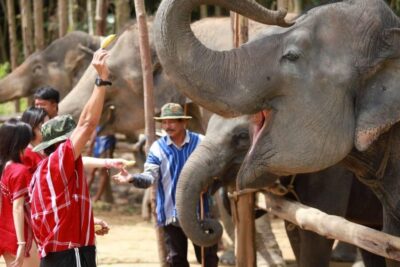
Elephant Experience with Lunch or Dinner and Pickup
Read our review →
Elephant Jungle Sanctuary Feed and Shower Trip
Read our review →
Beach walk with elephants, rain & care. 2.5 hours
Read our review →
Bukit Elephant Park Sanctuary Walk and Feed Tour
Read our review →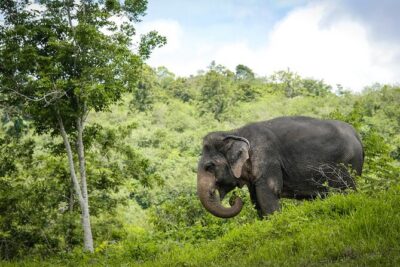
Half Day or 2-Hour Ethical Elephant Care Sanctuary
Read our review →Browse the lists this tour appears in