
Reviewed · PHUKET ELEPHANT SANCTUARY VISITS
Phuket: Elephant Nature Reserve Entry Ticket and Guided Tour
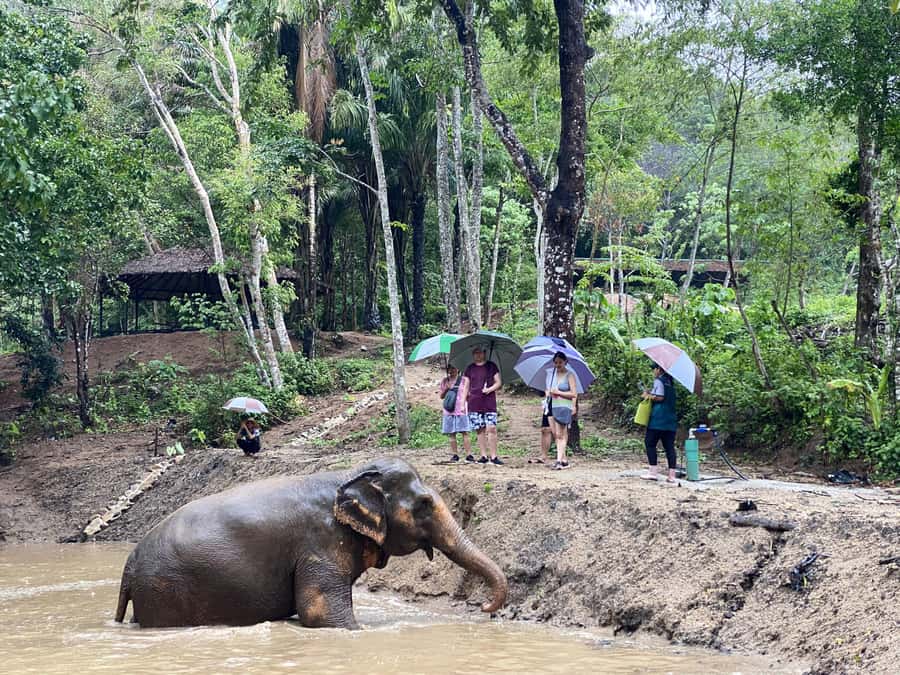
Phuket Elephant Nature Reserve takes a clear stand: no riding, bathing, or touching the elephants. Instead, you watch rescued animals move freely, prepare their food, and offer it without turning them into performers. That makes this a quieter encounter than many elephant attractions, but also a more honest one.
I like the food preparation, which gives you something useful to do, and the guide’s steady explanation of each elephant’s past and personality. The visit also includes jungle observation, natural water ponds, and time for photos. The main consideration is simple: if you want hands-on contact or a fast-moving show, this is not that kind of outing.
In This Review
- Key points to know before booking
- Why the no-touch policy matters
- Meeting your guide beside Hug Me Cafe
- The opening briefing sets the tone
- Preparing breakfast gives you a useful role
- Watching the elephants in the forest
- Photo opportunities without staged contact
- What the $37 price includes
- Who will enjoy this visit most
- Practical planning for a smoother visit
- Should you book Phuket Elephant Nature Reserve?
- FAQ
- Where does the elephant tour begin?
- Where does the activity end?
- How long does the tour last?
- Is transportation included?
- What does the ticket include?
- Can I ride or bathe the elephants?
- What language is the tour conducted in?
- Is the experience suitable for wheelchair users?
Key points to know before booking
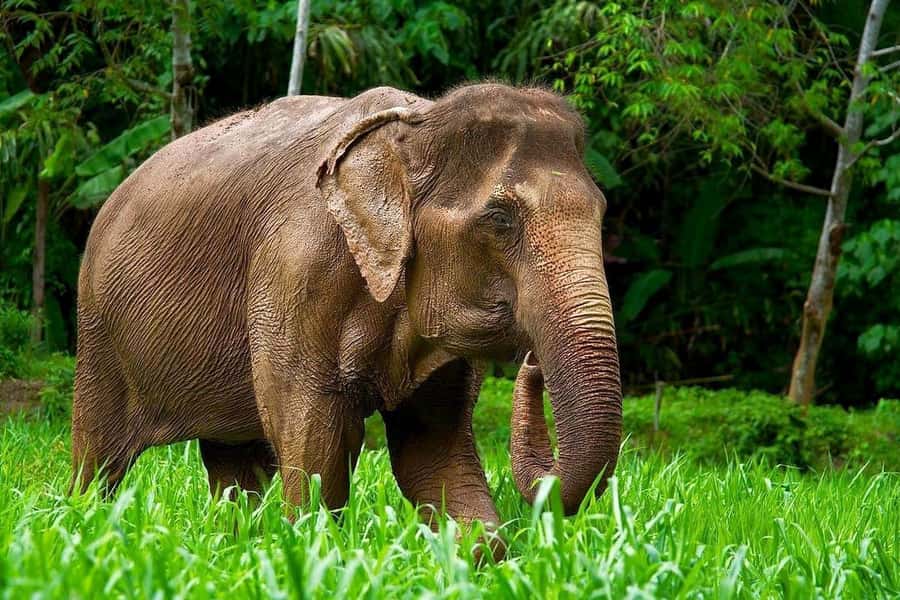
- No touching or bathing: The elephants are observed rather than handled, ridden, or washed.
- Prepare and feed elephant food: You help chop fruit and vegetables, then place the food out for the animals.
- Meet rescued elephants: Your guide explains their individual stories, habits, and personality quirks.
- A focused 90-minute visit: The short format includes an introduction, feeding, forest observation, and photo time.
- You make your own way there: Meet beside Hug Me Cafe at Phuket Elephant Nature Reserve.
- Good value for an ethical encounter: At $37 per person, the fee supports a sanctuary visit centered on care rather than tricks.
Why the no-touch policy matters
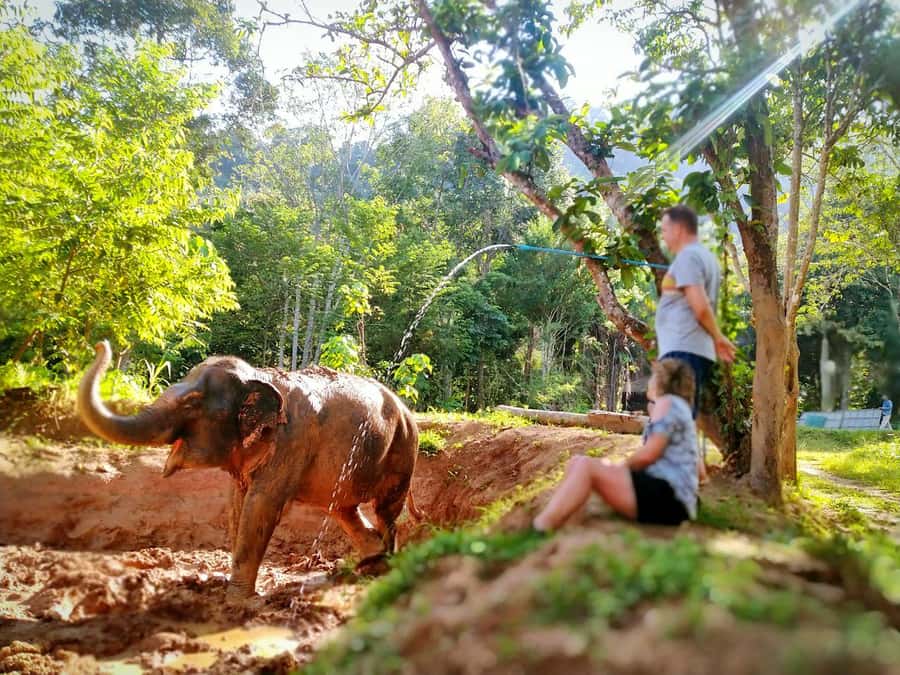
Many elephant activities in Thailand are built around human contact. Riding, bathing, and constant hand-feeding may look friendly, but they require elephants to accept close control from people all day. Phuket Elephant Nature Reserve takes the opposite approach.
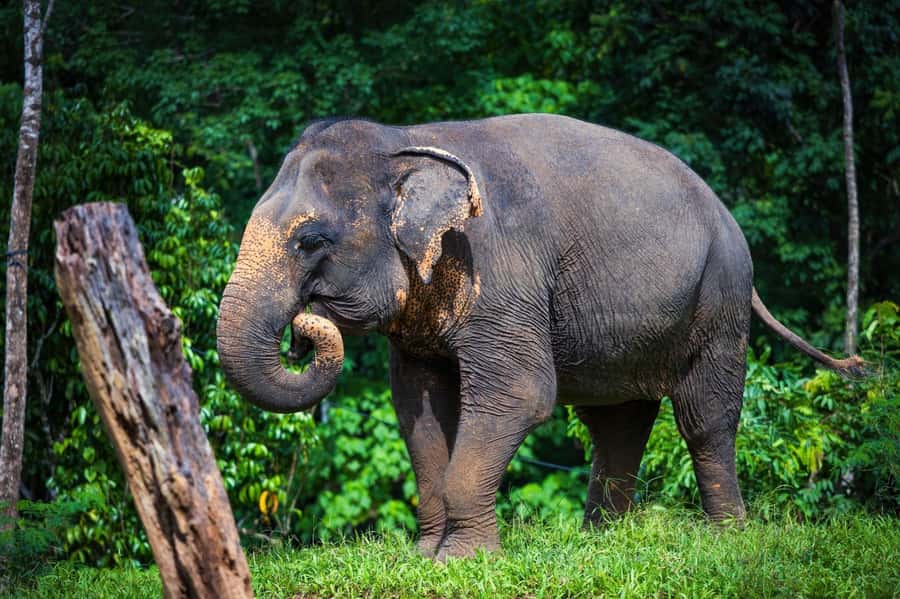
Here, the elephants are not asked to perform. You do not climb on them, scrub them, pose beside them, or call them over for a staged photo. You watch them from a respectful distance and let them decide how they respond to the food and the people nearby.
That can feel less exciting at first. You will not get the usual bathing pictures or a dramatic ride through the trees. Yet the slower pace is the point. You can notice how an elephant eats, how a younger animal behaves beside larger ones, and how the group moves when no one is forcing a display.
I find this a better fit for anyone who wants an ethical animal encounter rather than a photo opportunity with an animal trained to tolerate people. It also gives parents a useful way to explain responsible wildlife tourism to children.
More elephant sanctuary visits:
- Phuket: Elephant Experience with Lunch or Dinner and Pickup
★ 4.7 · 1,387 reviews - Phuket: Bukit Elephant Park Sanctuary Walk and Feed Tour
★ 4.9 · 926 reviews - Phuket: Half Day or 2-Hour Ethical Elephant Care Sanctuary
★ 4.5 · 481 reviews
Meeting your guide beside Hug Me Cafe
You make your own way to the reserve and meet the guide next to Hug Me Cafe. This is an important detail when planning your day because transportation is not included. You need to arrange your own route to Phuket Elephant Nature Reserve and allow enough time to find the meeting point.
The activity lasts about 1.5 hours. Starting times depend on availability, so check the schedule before you commit to another Phuket plan. The tour ends back at the same meeting point, which makes it easy to continue with a drink or snack at the on-site cafe afterward.
The language listed for the tour is English. The guides are a major part of the experience because the visit is built around explanation, not spectacle. Guides such as Tom and Mike have been singled out for friendly, clear presentations, and the staff describe the elephants as individuals rather than simply pointing out their size.
That personal detail changes the visit. Instead of seeing a row of animals with no context, you learn about their rescue and hear about their different temperaments. The guide also explains why the reserve avoids touching, bathing, and riding.
The opening briefing sets the tone
The tour begins with a briefing and introduction before you meet the elephants. This is more than a routine safety talk. It explains how to behave around large animals and why the reserve keeps a physical boundary between people and elephants.
Pay attention here. The rules help protect both sides. Elephants remain less stressed when they are not surrounded by hands, cameras, and excited people. You also get a clearer view of natural behavior when the animals are free to move away.
The introduction may include information about the reserve’s work and the rescued elephants. The setting is designed to support their care, so the educational side of the visit matters as much as the photo stop.
The 90-minute length works well for this format. You get several activities without turning the visit into an all-day commitment. A family with children aged 10 and 12 found the time manageable, with enough variety to hold attention. Younger children may need extra supervision and patience, especially when the elephants choose to stand still or move away.
Preparing breakfast gives you a useful role
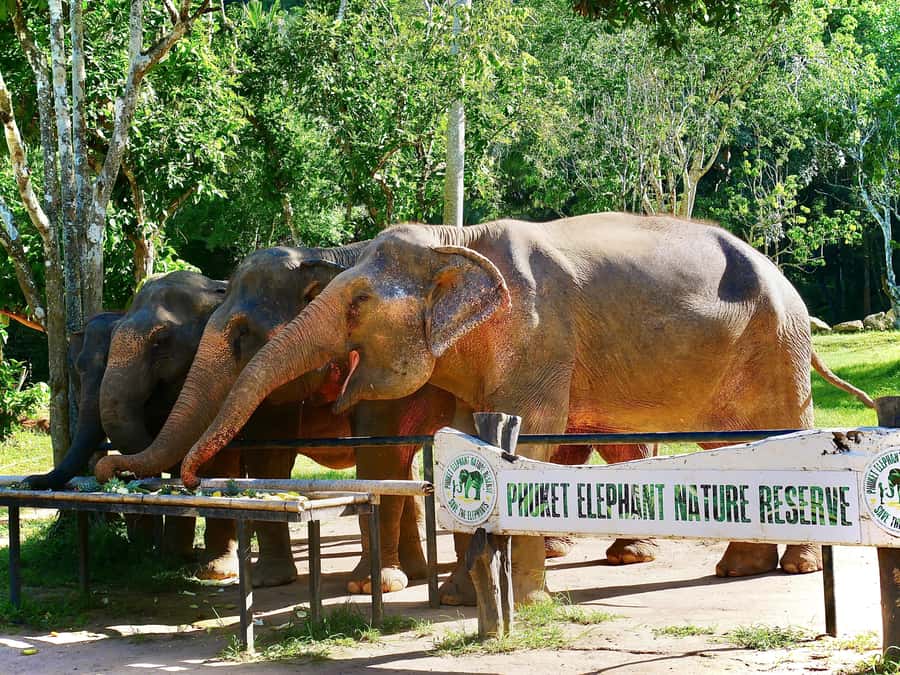
One of the nicest parts is preparing food for the elephants. You may chop fruit and vegetables, arrange the food, and help set it out for them. This is more engaging than simply watching an animal eat from a bucket.
The food preparation also shows how much work goes into caring for elephants. You see the practical side of a sanctuary, not just the polished visitor experience. Staff can explain what the animals eat and how feeding is handled safely.
The elephants are not forced to approach. Food is spread out in a buffet-style arrangement rather than used to make them perform on command. That means you may need to wait and watch instead of expecting every animal to pose at close range.
This is where the tour’s ethical promise becomes visible. You are involved, but the elephants retain the choice to come forward. You might prepare a generous tray and then watch the animals decide how and when to eat it. For me, that small pause is valuable. It reminds you that this is their home, not a stage.
Some information describes the activity as elephant meeting and feeding, while the reserve’s practice centers on distance and animal choice. Follow the guide’s instructions on the day. Do not reach out, call an elephant closer, or assume that a calm animal wants to be touched.
A few more Phuket City trips worth weighing up
- Phuket Elephant Nature Reserve Ethical Sanctuary
★ 5.0 · 50 reviews - Exploring Phang Nga Bay national park with Lunch and Dinner
★ 5.0 · 48 reviews - Khao Sok National Park & Samet Nangshe Private Tour from Phuket
★ 4.5 · 23 reviews - Jungle Trip to Khao Sok National Park
★ 5.0 · 16 reviews
Watching the elephants in the forest
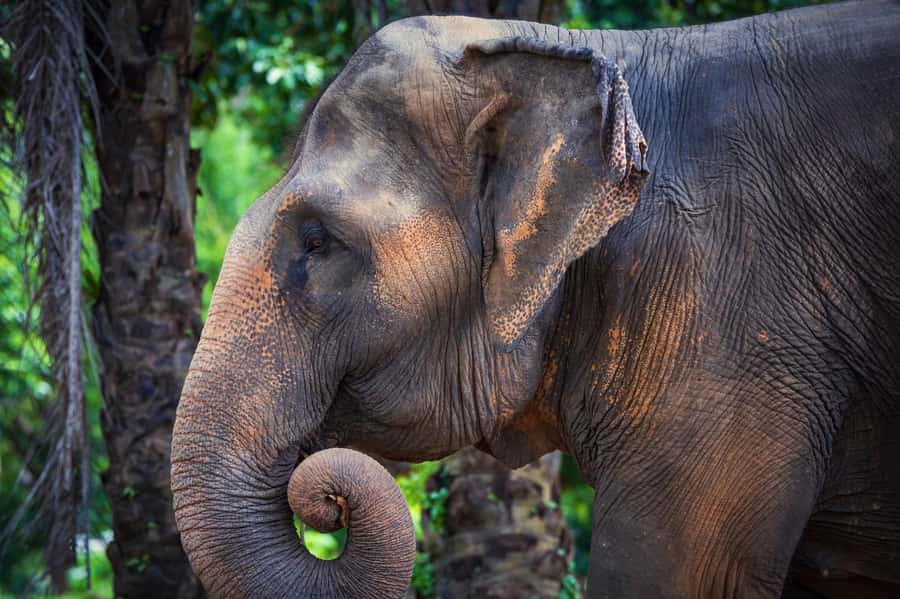
After the food activity, you follow the guide for elephant jungle observation. The reserve includes natural water ponds and other forest features, giving the elephants room to move through a setting that feels less controlled than a performance area.
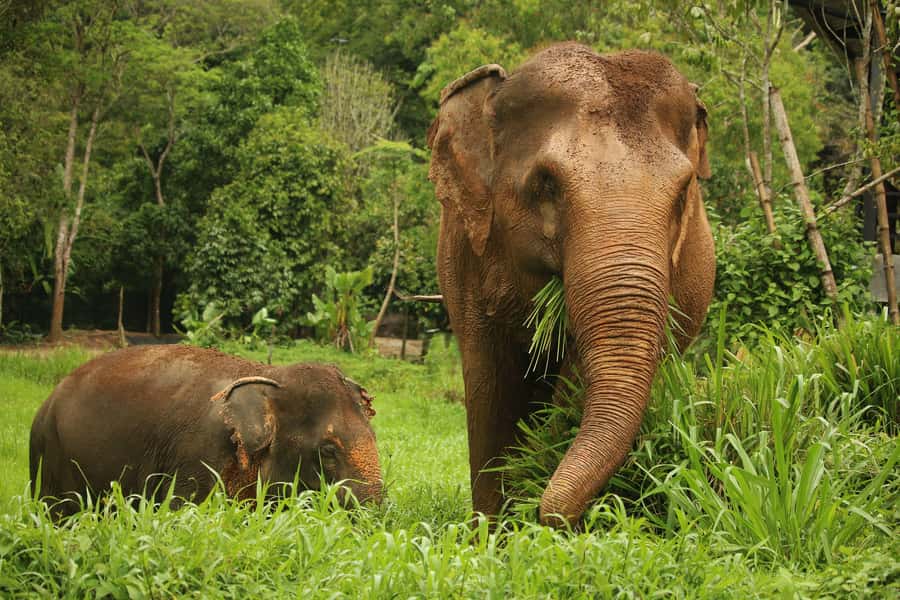
You might see several elephants during the visit. One account describes four females, including a baby, while another recalls meeting a newly rescued young elephant. The exact animals present can change, so do not arrive expecting a specific elephant or guaranteed behavior.
The best moments may be quiet ones. An elephant may walk along a track, pause near water, or eat at its own pace. You can study the differences between a young elephant and an adult, including the way they handle food and move around the group.
The guide helps you notice these details. Without commentary, it is easy to focus only on size. With an explanation of personality and rescue background, you begin to see individual animals rather than a single attraction.
The reserve keeps safety in mind while still allowing you to get a close view. The exact distance can vary, and the guide manages the group. Stay with the guide, keep voices calm, and let the elephants set the pace.
Photo opportunities without staged contact
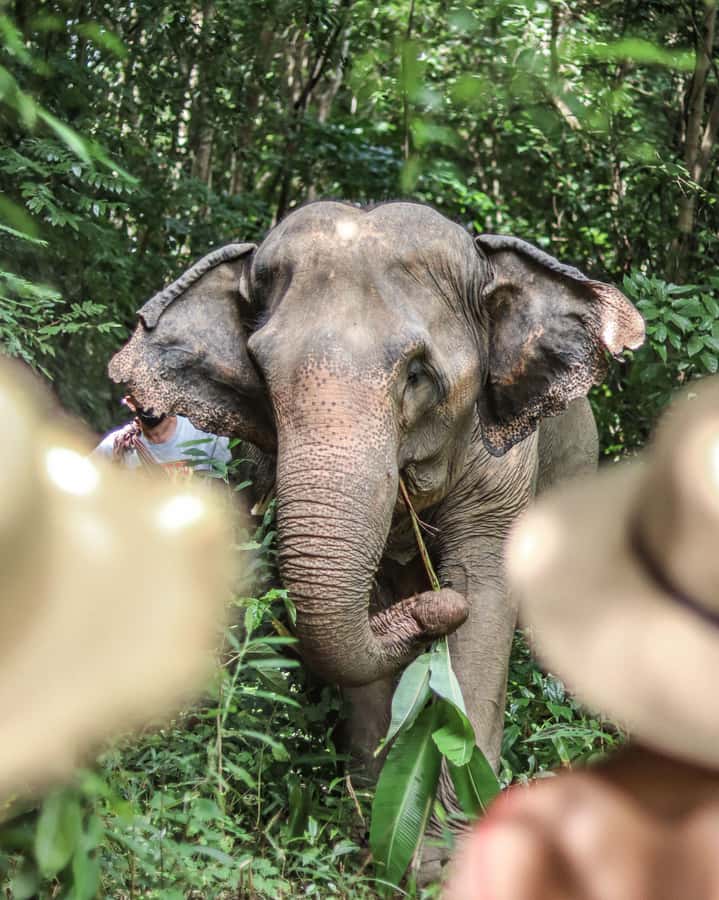
You will have good chances for photographs, but this is not a posed animal encounter. Since touching is not allowed, your pictures will show the elephants eating, walking, resting, or moving through the trees.
That may be a welcome change from the standard elephant photo. You get an image of an animal behaving naturally instead of one standing in place while people hold onto its head or trunk.
Bring a phone or camera, but keep it secondary. Sudden movement and loud calls can disturb the animals. Your guide can help you find a safe viewing point, while staff keep people from crowding the elephants.
The forest and ponds add useful variety to the photographs. You may also see differences in body size and behavior if several elephants are nearby. Do not count on a baby elephant appearing during every session, though young animals have been part of some visits.
What the $37 price includes
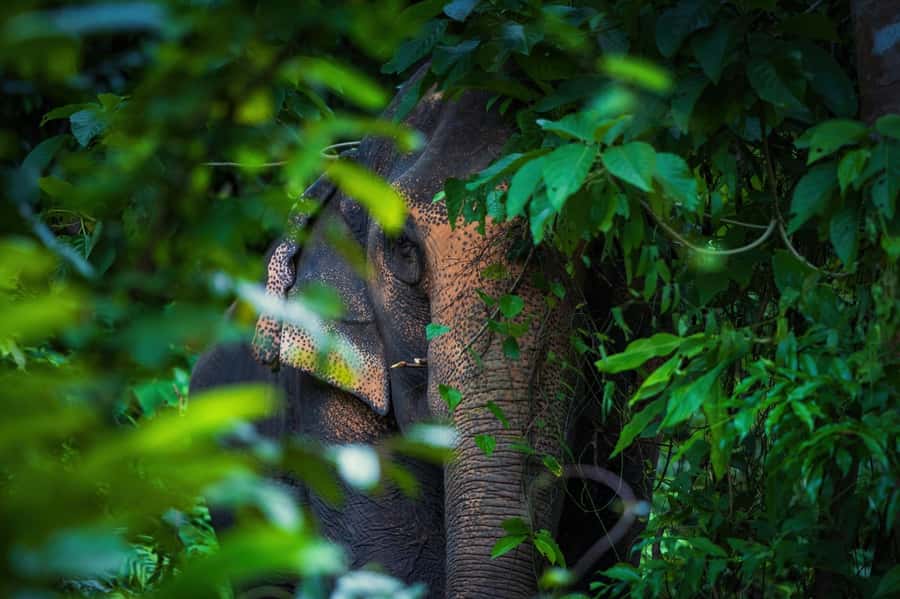
The price is $37 per person. That includes entry to Phuket Elephant Nature Reserve, an English-speaking guide, and the elephant meeting and feeding activity.
It does not include transportation, food, or drinks. The missing transport is the main cost to consider beyond the ticket. If you are staying far from the reserve, your total day will cost more once you add your own transfer.
Still, the price is reasonable for a short, guided visit with a clear animal welfare focus. You are paying for access to the reserve, staff time, food preparation, interpretation, and the ongoing care of rescued elephants. The visit does not offer rides or bathing, so compare it with other activities by asking what kind of experience you want, not just how much contact is advertised.
There is an on-site cafe where you can stop before or after the tour. Drinks and simple refreshments are available, and the cafe provides a view toward the elephants in their natural setting. Food and drinks are not part of the ticket, so budget separately.
I would call this good value for a first ethical elephant visit in Phuket, especially if you want a compact activity that fits around a beach day or another excursion. It is less suitable if you expect a full-day sanctuary program.
Who will enjoy this visit most
This tour suits you if you care about animal welfare and want to understand why responsible sanctuaries avoid direct contact. It also works well for families, couples, and solo visitors who prefer a calm, educational outing.
Children can take part in chopping and arranging food, then watch the elephants eat. The 90-minute format helps keep the day manageable, although children still need to follow the no-touch rule and listen around the animals.
Photography fans should also enjoy it, provided they are happy to capture natural behavior rather than staged poses. The reserve offers close viewing without making the elephants perform.
You may want to choose another activity if your main goal is bathing an elephant, riding one, or standing shoulder to shoulder for a photograph. Those activities are specifically not offered here. That is a strength for ethical tourism, but it can feel like a limitation if you have a different expectation.
The reserve is not suitable for wheelchair users. Comfortable shoes, a hat, and sunscreen are sensible choices because the visit includes walking and time outdoors.
Practical planning for a smoother visit
Wear shoes that you can walk in comfortably. The tour includes movement through the reserve, and practical footwear is more useful than sandals that slip or shoes you do not want exposed to dirt.
A hat and sunscreen are worth bringing. Phuket’s heat can make even a short outdoor activity feel demanding, especially while you wait quietly for the elephants to move or feed.
Arrive ready for a guided wildlife visit, not a petting zoo. Keep your hands to yourself, follow instructions, and accept that the elephants control the timing. A calm approach gives you the best chance of seeing natural behavior.
Because transport is not included, plan your route before the day begins. You meet beside Hug Me Cafe and return there when the activity ends. The cafe is useful if you arrive early or want a cool drink afterward.
The booking terms are flexible: you can cancel up to 24 hours before the activity for a full refund, and you can reserve now and pay later. That helps if your Phuket schedule may change, but you should still check the available starting time before booking.
Should you book Phuket Elephant Nature Reserve?
Book it if you want an elephant encounter built around observation, food preparation, and respectful distance. The reserve gives you a clear view of rescued animals while avoiding riding, bathing, touching, and staged behavior.
I especially recommend it if this is your first time choosing between Phuket’s elephant attractions. The guide’s stories, the food preparation, and the chance to watch elephants move freely make the $37 fee feel purposeful. The short visit also fits neatly into a busy holiday.
Skip it if you want constant action or direct physical contact. The pace is calm, and the elephants may not do anything on cue. That is exactly why the experience feels ethical, but it requires you to value patience over entertainment.
For a responsible 90-minute visit, this is a strong choice. Bring sunscreen, arrive at the Hug Me Cafe meeting point, listen to the guide, and let the elephants decide how close the encounter becomes.
FAQ
Where does the elephant tour begin?
Meet your guide next to Hug Me Cafe at Phuket Elephant Nature Reserve.
Where does the activity end?
The tour ends back at the same meeting point beside Hug Me Cafe.
How long does the tour last?
The activity lasts 1.5 hours. Starting times depend on availability.
Is transportation included?
No. You make your own way to Phuket Elephant Nature Reserve.
What does the ticket include?
The ticket includes entry to Phuket Elephant Nature Reserve, an English-speaking guide, and elephant meeting and feeding.
Can I ride or bathe the elephants?
No. Riding and bathing are not offered. The reserve also does not allow visitors to touch the elephants.
What language is the tour conducted in?
The live tour guide speaks English.
Is the experience suitable for wheelchair users?
No. The activity is not suitable for wheelchair users.
Just added around Phuket City
- Phuket: Siam Niramit Show with Optional Dinner★ 5.0 · 5 reviews
- Phuket: Athena Cabaret Show Entry Ticket★ 3.8 · 6 reviews
- Temple and Jungle Trekking tour with Lunch at Farm-to-Table★ 4.8 · 6 reviews
- Phuket: Amazing Sunset View & Local Market Tour★ 4.4 · 8 reviews
- Phuket: Zipline Adventure Ocean Views in Patong & Transfer★ 4.5 · 8 reviews
- Phuket:ChillVa Market,View Big Buddha,Wat Chalong & Old Town★ 4.4 · 10 reviews
- Phuket: ATV Quad Mountain Adventure with Panoramic Sea View★ 4.9 · 11 reviews
- The Upside Down House: Phuket’s Must-See Attraction★ 4.7 · 13 reviews
Phuket Elephant Sanctuary Visits, compared.
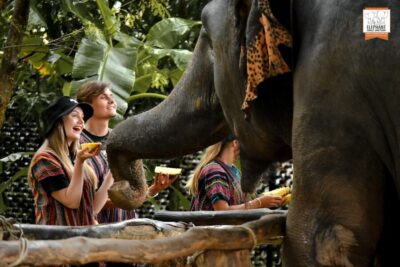
Elephant Jungle Sanctuary Ethical Feeding Experience
Read our review →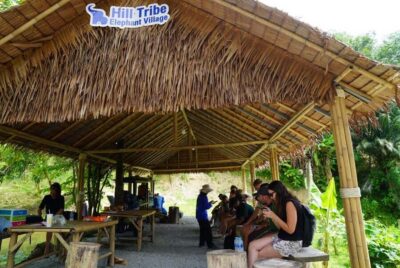
Elephant Sanctuary Guided Tour with Hotel Transfers
Read our review →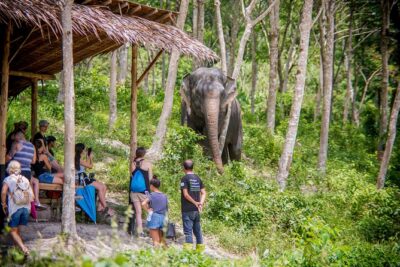
A Morning with the Elephants at Phuket Elephant Sanctuary
Read our review →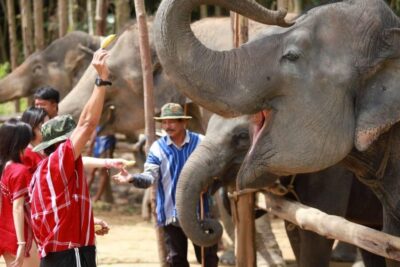
Elephant Experience with Lunch or Dinner and Pickup
Read our review →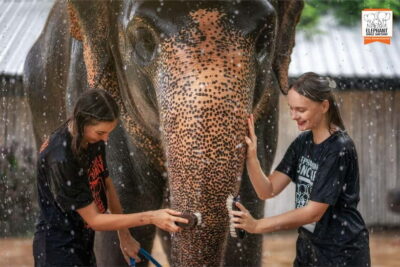
Elephant Jungle Sanctuary Feed and Shower Trip
Read our review →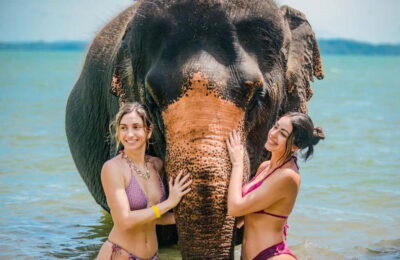
Beach walk with elephants, rain & care. 2.5 hours
Read our review →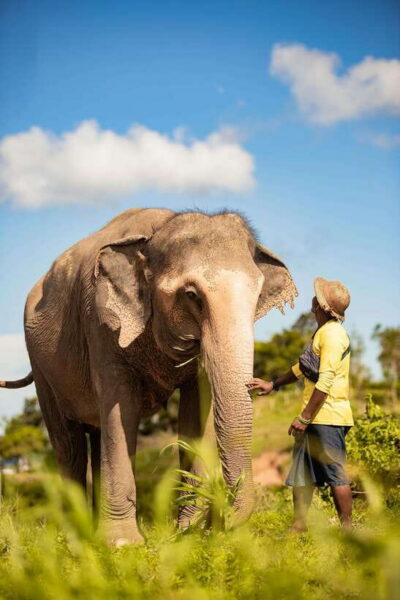
Bukit Elephant Park Sanctuary Walk and Feed Tour
Read our review →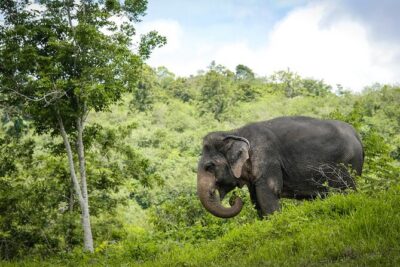
Browse the lists this tour appears in